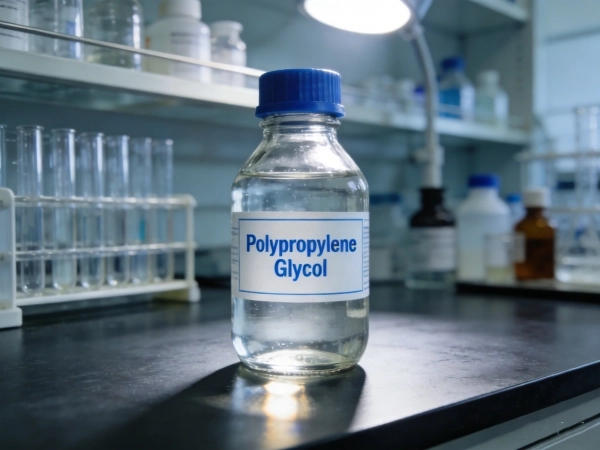
Polypropylene glycol (PPG) is a synthetic polyether polyol produced by the ring-opening polymerization of propylene oxide. In practical industrial terms, PPG is best understood as a foundational building block used to impart flexibility, resilience, and controlled reactivity to a wide range of polymer systems.
From my years working with polyols and polyurethane formulations, I often explain PPG to newcomers this way: it is not a finished material, but a performance enabler. Its molecular structure contains repeating propylene oxide units, giving it a predominantly hydrophobic character compared with polyethylene glycol (PEG). This structural feature is what makes PPG particularly valuable in applications where moisture resistance, durability, and long-term stability matter.
PPG is available in different molecular weights and functionalities, which allows formulators to fine-tune properties such as viscosity, elasticity, and curing behavior. Whether you are dealing with flexible foams, elastomers, coatings, or adhesives, polypropylene glycol serves as a versatile polyol that adapts to diverse performance requirements.
One of the main reasons polypropylene glycol is so widely used is its ability to address multiple performance challenges at once. In real-world formulations, materials rarely fail because of a single issue; more often, they suffer from a combination of brittleness, poor low-temperature behavior, or insufficient durability. PPG helps mitigate these problems effectively.
In polyurethane systems, PPG acts as a soft segment, improving flexibility and elasticity without compromising mechanical strength. This makes it especially valuable in products that must withstand repeated deformation, such as flexible foams and elastomeric components.
Another critical advantage is improved hydrolytic stability. Compared with more hydrophilic polyols, PPG reduces water uptake, helping finished products maintain their performance over time in humid or wet environments. From experience, this is often the deciding factor in applications like sealants, coatings, and industrial adhesives.
PPG also contributes to better processability. Its predictable viscosity and reactivity make formulations easier to handle during mixing, casting, or spraying. For manufacturers, this translates directly into more consistent quality and fewer production issues.
This is the question every engineer, product manager, or buyer eventually asks—and rightly so. The short answer is: yes, PPG can be used in many products, but the more important question is whether it is the right choice for your specific application.
Polypropylene glycol is commonly used in:
• Flexible and semi-rigid polyurethane foams
• Elastomers for automotive and industrial parts
• Adhesives and sealants requiring flexibility and durability
• Coatings that benefit from toughness and moisture resistance
In my experience, PPG works best when your product needs a balance of flexibility, chemical stability, and controlled softness. The key is selecting the appropriate molecular weight and functionality to match your formulation goals.
That said, PPG is not a universal solution. If your application requires high crystallinity, extreme hardness, or strong hydrophilicity, other polyols may be more suitable. Understanding your end-use requirements is essential before committing to any polyol system.
Choosing polypropylene glycol over other polyols is rarely about cost alone; it is about performance trade-offs and long-term reliability. Compared with polyester polyols, PPG generally offers better resistance to hydrolysis and improved low-temperature flexibility. This is why it is often favored in outdoor, automotive, and industrial applications.
When compared with polyethylene glycol, PPG’s more hydrophobic nature gives it an edge in environments where moisture exposure is unavoidable. Over time, this can significantly reduce degradation and extend product lifespan.
Another reason many formulators prefer PPG is its formulation flexibility. With a wide range of molecular weights available, PPG allows precise control over mechanical properties without overly complex chemistry. From a practical standpoint, this makes product development faster and more predictable—something that both engineers and manufacturers value highly.
From both a technical and commercial perspective, polypropylene glycol is absolutely a proven and worthwhile material. It has been used for decades across multiple industries, from construction and automotive to consumer goods and industrial manufacturing.
What makes PPG a smart investment is not just its performance, but its track record. Its behavior is well-documented, its supply chain is mature, and its compatibility with established polyurethane systems reduces development risk. For companies scaling production or entering new markets, this reliability is often more important than marginal performance gains from less proven alternatives.
In my professional experience, materials that combine versatility, stability, and long-term availability tend to deliver the best return on investment. Polypropylene glycol fits squarely into that category, making it a dependable choice for both new formulations and ongoing production lines.